A/V zine
Pair 1
Band:
Blutonic Choir

Artist:
julie henrietta

Water Memory
by Julie Henrietta

Music and sound plays a big role in my creation process. Whether I am making something digitally, or with paint, pen and ink, or collage, my artistic decisions are often informed by music and sounds around me.
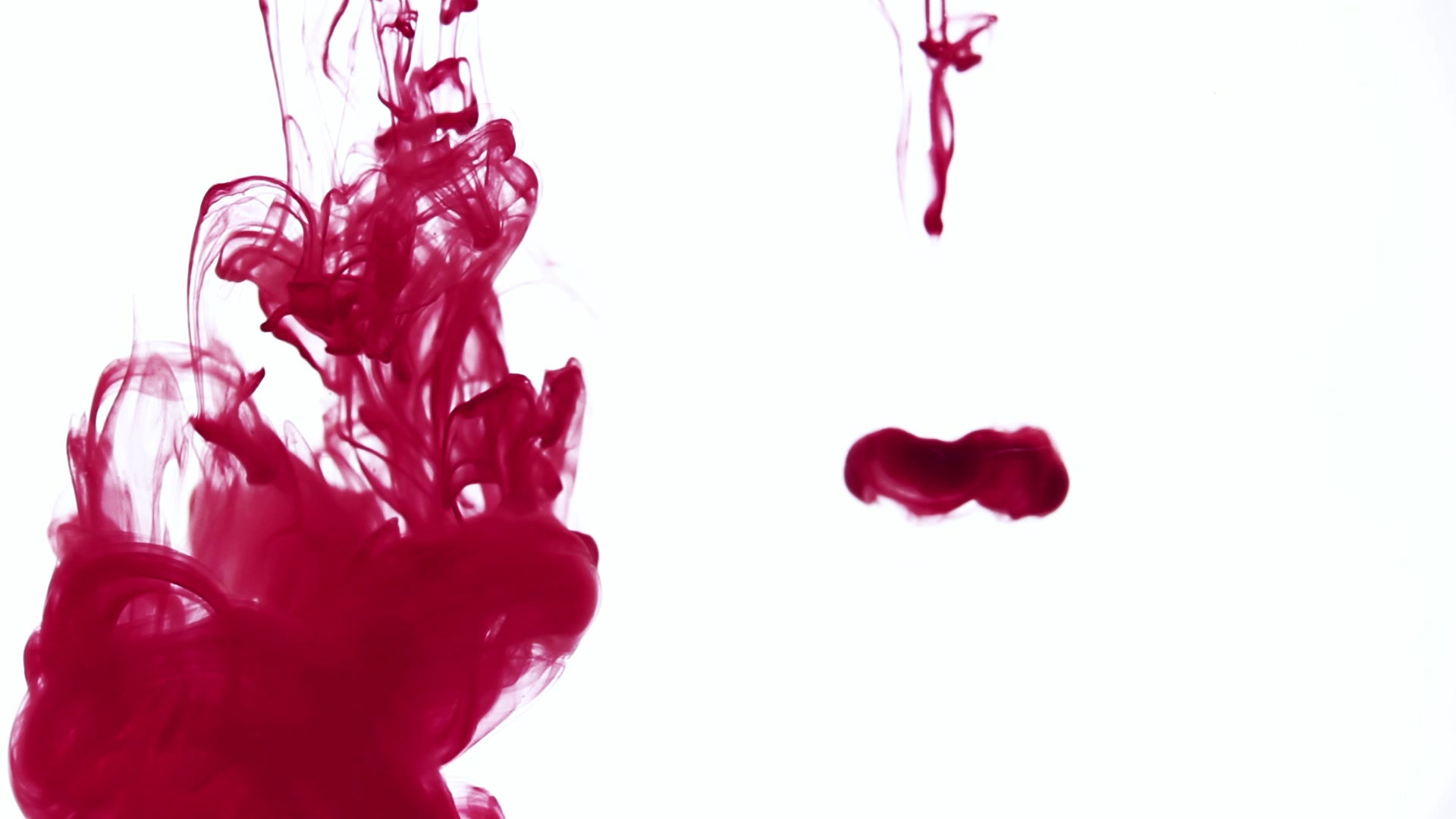
This particular piece is a response to Blutonic Choir’s “Blutonic Choir Theme”. I expressed the song visually using colour, layering, and texture. The atmospheric and ambient sounds gave me an immediate impulse to paint white and blue. The ethereal music is very reminiscent of water, which I also tried to reflect with these colours. The slow build up of ambient sounds called me to layer the paint texturally several times. Finally, the piano notes at the end of the song are represented as bright spots of colour.
Blutonic Choir:
The Art of Music
Ambient music is, more often than not, understated in its delivery; and when it is done correctly, it can be more affecting than any other genre of music.
Based on the three songs that comprise their self-titled album, Blutonic Choir have already mastered how to make moving ambient music.
Emma Aurelia and Miles Breithaupt began making music together about two-and-a-half years ago in a folk rock band. While their friendship developed, so too did their artistic experimentation.
“We also made some video and photo art during this time, though not with clear intention,” says Breithaupt. “Emma was working towards a textile installation piece around then and decided to incorporate ambient music, thus beginning Blutonic Choir.”
Their self-titled record was created as the sonic backdrop for this installation. While it was made to accompany a visual piece, the music stands strong on its own, as they intended.
“The music was integrated into the concept of the installation from such an early stage that they’ve been intertwined the whole time,” says Aurelia. “That being said, we wanted to make sure we created something that was a stand-alone musical release and could be enjoyed without relying on the physical piece.”
Blutonic Choir’s brand of ambient music was born from the duo’s explorations in sound, particularly their voices. Though vocals take a textural role on their recordings rather than being a focal point, it was the way that their voices interacted with one another that formed the basis of their music.
“Even before we really started doing conceptual art together, we would spend a lot of time singing wordlessly – looking more for uncharted territory than for musical fulfillment,” explains Breithaupt. “We would do anything from meditative, one-note drone sessions, to playfully singing into each other’s mouths to hear the beats when it went out of tune. The common thread was that we were listening to ourselves, and each other while mutually giving and receiving subtle direction.”
“In the recordings, the vocals and lyrics are impressionistic – they’re not meant to be in the foreground,” adds Aurelia. “However, whether lyrical or wordless, the vocals are at the core of what we do. I couldn’t imagine doing a Blutonic track without vocals.”
The group, which cites Brian Eno, Sigur Rós, and Boards of Canada among its influences, fuses these vocal experiments seamlessly with various instruments and field recordings to create their tracks. While each song is birthed differently, the effect they have as a whole is sure to attract listeners.
Whether it is the beautiful violin of opener “Mammoth”, the calming ocean noises and haunting vocals of “Blutonic Choir Theme”, or the horror-film-ready piano plinks of “Polytart L∞p”, it is clear that Blutonic aims to pull you deep into these songs and not let you go.
“It’s a fairly organic process,” says Aurelia. “We had a few stems floating around when we started, and got the idea to flesh them out with our own field recordings of environmental sounds. Some pieces are born from these field recordings, while with others, vocals were the first thing to be tracked. Once we have the framework of a track, we invite others to contribute improvised overdubs, which we then edit.”
These contributions to the Blutonic Choir album come from friends across the world. The cello, contributed by Ian Gibbons, came from Montreal; Eva Cottin’s violin was recorded in Berlin; and Patrick Dilkie’s piano was done while he was working on a cruise ship off the coast of Australia.
Their live performances differ from their studio recordings. While not necessarily a seasoned live act, their setup is streamlined – using sample pads and keyboards to supplement their sound – and here, they push their vocals to the forefront, allowing their harmonies to take center stage.
“We both grew up playing in rock bands, so it’s hard to compare that kind of scene to what we’re doing now,” explained Breithaupt. “Ambient music tends to live in the studio, and to be listened to in private environments. Regardless, we’re seeing a lot of young artists in Toronto sharing influences with us, and performing live. We’re looking forward to diving deeper into the live setting.”